China Transportation Guide: Navigating the Middle Kingdom with Ease
If you’re planning a trip to China, one of the most crucial aspects to consider is transportation. As an American expat who has lived in Chengdu for over 10 years, I’ve become quite familiar with the ins and outs of getting around this vast and vibrant country. In this guide, I’ll share my personal experiences, practical tips, and some humorous anecdotes to help you navigate China’s transportation system like a pro.

Let me start by saying that China’s transportation network is both extensive and efficient, but it can also be a bit overwhelming at first. From high-speed trains that whisk you across the country in a matter of hours to bustling subways that carry millions of people every day, there are plenty of options to choose from. However, with a little planning and some insider knowledge, you’ll be able to get around with ease and make the most of your time in China.
The Anatomy of a Chinese Train Station
First things first, let’s talk about train travel in China. Trains are the most popular and convenient way to get around the country, and they offer a great way to see the countryside and experience the local culture. But before you embark on your train journey, it’s important to understand the layout of a Chinese train station.
Chinese train stations can be quite large and confusing, especially if you’re not familiar with the language. However, once you know what to look for, it’s actually quite easy to navigate. The first thing you’ll notice when you enter a train station is the ticket office. Here, you can buy tickets for your journey, either in person or through the自助售票机 (self-service ticket machines). It’s a good idea to arrive at the train station early, especially during peak travel times, to allow enough time to buy your ticket and find your platform.
Once you have your ticket, you’ll need to find your platform. Platforms are numbered, and you can usually find the number of your platform on your ticket or on the signs in the station. To get to your platform, you’ll need to go through the security checkpoint and then follow the signs to your platform. Be sure to keep your ticket with you at all times, as you’ll need to show it to the conductor when you board the train.
Buying Train Tickets in China
Now that you know how to navigate a Chinese train station, let’s talk about how to buy train tickets. In China, there are a few different ways to buy train tickets.
At the Station
As mentioned earlier, you can buy train tickets at the ticket office or through the self-service ticket machines. When buying tickets at the station, it’s important to have your passport with you, as you’ll need to provide it as identification. You can also pay for your tickets with cash, credit card, or mobile payment methods such as Alipay or WeChat Pay.
Online
Another option is to buy train tickets online. The official website for buying train tickets in China is 12306.cn. However, this website can be a bit difficult to navigate, especially if you’re not familiar with Chinese. If you’re having trouble using the 12306 website, you can also use a third-party website or app such as Trip.com or Trainline. These websites and apps are often more user-friendly and can also provide additional features such as seat selection and travel insurance.
Through a Travel Agent
If you’re not comfortable buying train tickets on your own, you can also use a travel agent. Travel agents can help you book your train tickets, as well as provide additional services such as hotel bookings and tour packages. However, keep in mind that using a travel agent may cost you more than booking your tickets directly.
Types of Trains in China
In China, there are several types of trains to choose from, each with its own characteristics and advantages.
High-Speed Trains
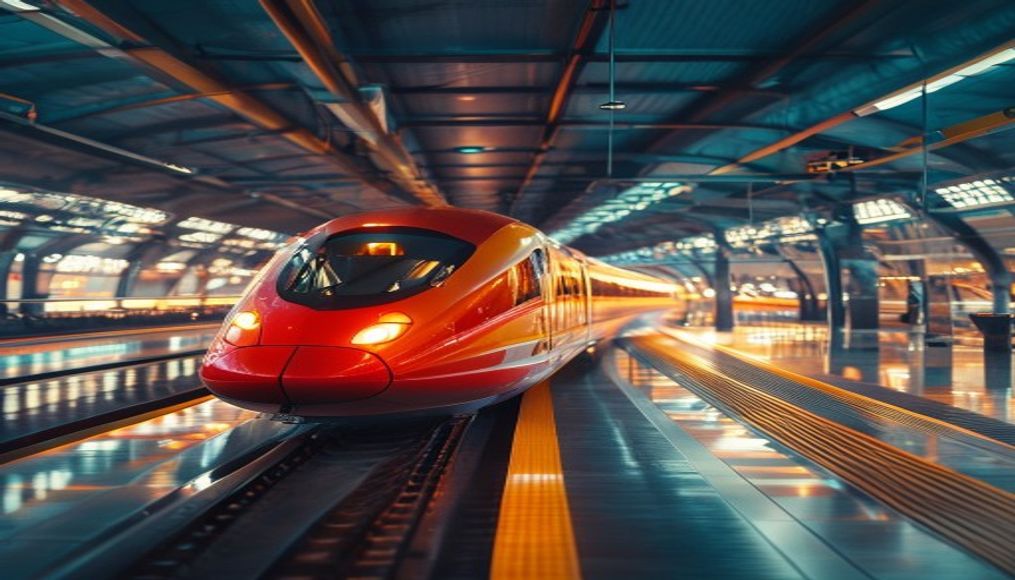
High-speed trains, also known as bullet trains, are the fastest and most convenient way to travel long distances in China. These trains can reach speeds of up to 350 km/h and can take you from one major city to another in a matter of hours. High-speed trains are usually more expensive than other types of trains, but they offer a more comfortable and luxurious travel experience.
Express Trains
Express trains are slower than high-speed trains, but they are still a popular option for traveling long distances. These trains usually stop at major cities and towns along the way and can take you from one end of the country to the other in a day or two. Express trains are generally more affordable than high-speed trains, but they may not be as comfortable.
Regular Trains
Regular trains are the slowest and most basic type of train in China. These trains usually stop at every station along the way and can take several days to travel long distances. Regular trains are the most affordable option, but they may not be the most comfortable or convenient.
Other Transportation Options in China
In addition to trains, there are several other transportation options available in China.
Subways
Subways are a convenient and efficient way to get around in major cities such as Beijing, Shanghai, and Guangzhou. These subway systems are usually clean, fast, and easy to use. You can buy subway tickets at the station or use a mobile payment method such as Alipay or WeChat Pay.
Buses
Buses are a common and affordable way to get around in China. However, buses can be crowded and uncomfortable, especially during peak travel times. If you’re planning to take a bus, it’s a good idea to arrive early and be prepared to stand.
Taxis
Taxis are a convenient way to get around in China, but they can also be expensive. When taking a taxi, it’s important to make sure the driver uses the meter and doesn’t overcharge you. You can also use a ride-sharing app such as Didi to book a taxi or a private car.
Bicycles
Bicycles are a popular and eco-friendly way to get around in China. Many cities in China have bike-sharing programs, which allow you to rent a bike for a short period of time. Bicycling is a great way to see the city and get some exercise at the same time.
Tips for Navigating China’s Transportation System
Now that you know about the different types of transportation options available in China, here are some tips to help you navigate the country’s transportation system like a pro.
Plan Ahead
China’s transportation system can be quite busy, especially during peak travel times. To avoid long lines and delays, it’s a good idea to plan ahead and book your tickets in advance. You can also use a travel agent or a third-party website or app to help you plan your itinerary and book your transportation.
Learn Some Basic Chinese
While many people in China speak English, it’s still a good idea to learn some basic Chinese phrases and words. This will help you communicate with locals and make your travel experience more enjoyable. You can learn some basic Chinese phrases and words online or by using a language learning app.
Use Mobile Payment Methods
Mobile payment methods such as Alipay and WeChat Pay are widely used in China. Using these payment methods can make your travel experience more convenient and hassle-free. You can also use your mobile phone to buy tickets, pay for transportation, and make other purchases.
Be Prepared for Crowds
China is a populous country, and its transportation system can get quite crowded, especially during peak travel times. To avoid getting pushed or shoved, it’s a good idea to be prepared and have a plan. You can also try to travel during off-peak hours or use less crowded transportation options.
Stay Safe
China is a safe country to travel in, but it’s still important to take some precautions to stay safe. When using public transportation, be sure to keep your valuables safe and avoid carrying large amounts of cash. You should also be aware of your surroundings and avoid walking alone at night.
Conclusion
Navigating China’s transportation system can be a challenge, but with a little planning and some insider knowledge, you’ll be able to get around with ease and make the most of your time in China. Whether you’re traveling by train, subway, bus, taxi, or bicycle, there are plenty of options to choose from. Just remember to plan ahead, learn some basic Chinese, use mobile payment methods, be prepared for crowds, and stay safe. With these tips in mind, you’ll be well on your way to having a great travel experience in China.

If you’re interested in learning more about China’s transportation system or planning a trip to China, be sure to check out our other articles on chinaboundtravel.com. We have a wealth of information and resources to help you make the most of your travel experience in China. For example, you might want to read our article on Xi’an Terracotta Army: History, Discovery, and Insider Tips to learn more about one of China’s most famous attractions, or our article on Zhangjiajie Avatar Mountains: Complete Guide to China’s Most Spectacular Park to discover one of China’s most beautiful natural wonders.