
Why Sichuan Hotpot Is More Than Just a Meal
Hey there, fellow travelers! Are you ready to embark on a spicy adventure in the heart of China? Well, you’ve come to the right place! As an American who has spent over 5 years living in Chengdu, I’ve become somewhat of an expert on all things Sichuan, especially when it comes to the famous Sichuan hotpot. If you’re also a foodie planning a trip to Chengdu, don’t miss our Chinese street food guide – it covers the night markets and street stalls that every first-timer should experience. In this blog post, I’ll be sharing with you the history, best restaurants, and cultural significance of this delicious dish. So, grab your chopsticks and get ready to drool!
History of Sichuan Hotpot
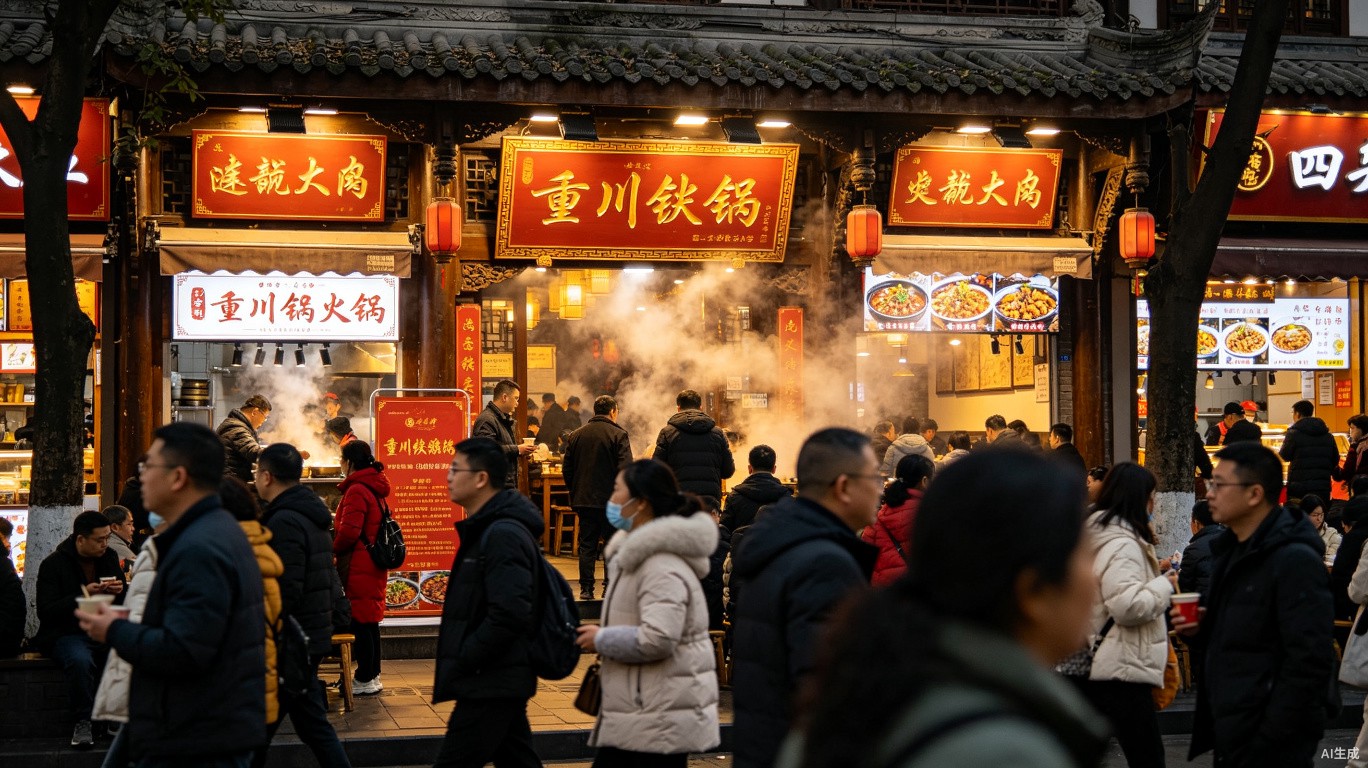
The history of Sichuan hotpot is a fascinating journey that dates back to the late Ming Dynasty (1368 - 1644). It all began in the port areas of Chongqing, where life was bustling with activity. Boatmen and laborers, after a long day’s work, would gather around a large pot of boiling water. Chongqing is just a couple of hours from Chengdu by China’s high-speed rail, making it easy to visit both cities on the same trip. This simple setup was the humble origin of what would become a beloved dish. They would cook and share various ingredients in this communal pot, a practice that not only provided a warm meal but also a sense of camaraderie.
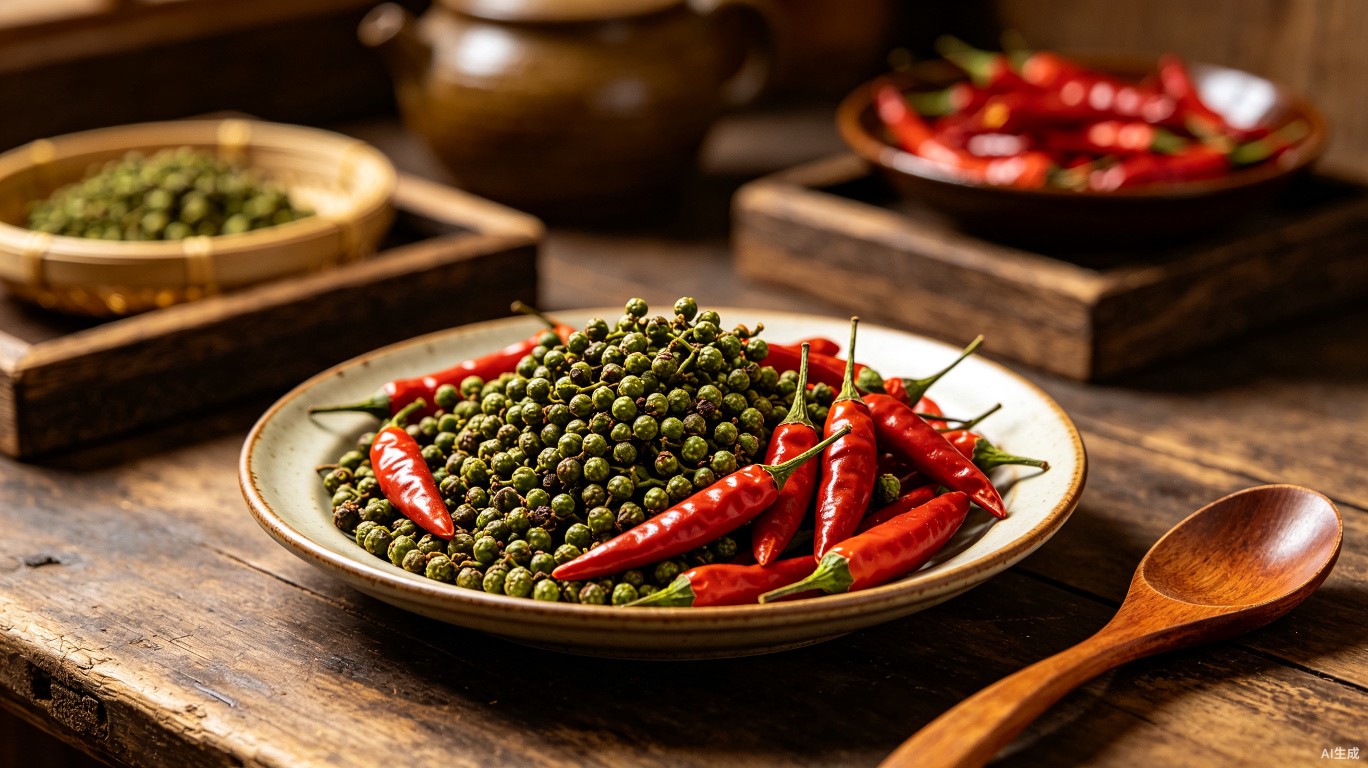
Over time, as the dish started to spread throughout the Sichuan province, it underwent significant evolution. One of the most crucial elements in Sichuan hotpot is Sichuan peppercorns. These peppercorns have a long and storied history in Chinese cuisine, spanning centuries. They are not only known for the unique numbing and spicy flavor they impart but also for their medicinal properties. In traditional Chinese medicine, Sichuan peppercorns were used to treat various ailments, from digestive issues to pain relief. Chengdu is also the heart of Chinese tea culture – many locals enjoy a traditional tea ceremony before or after a hotpot meal to balance the heat.
Chili peppers, on the other hand, were a later addition to the Sichuan hotpot story. Introduced to China from South America in the 16th century, they quickly found their way into the local cuisine. The combination of Sichuan peppercorns and chili peppers is what creates the characteristic “ma la” flavor that is so beloved by locals and tourists alike. It’s a flavor profile that is both intense and addictive, a perfect balance of numbing and spicy that dances on the taste buds.
Cultural Significance of Sichuan Hotpot
Sichuan hotpot is not just a delicious meal; it is an integral part of Sichuan culture. In Sichuan, hotpot is often eaten with friends and family. It’s a time when people come together, share stories, and create memories. The act of cooking and sharing food in a hotpot is seen as a symbol of community and togetherness. It’s like a mini-celebration every time you gather around the hotpot table.
I remember one time when I was invited to a local family’s home for a hotpot dinner. The house was filled with the aroma of spices, and as we sat down around the table, there was a sense of warmth and hospitality. We cooked a variety of ingredients, from thinly sliced meats to fresh vegetables, and as we ate, we laughed and talked, sharing our day-to-day experiences. It was a moment that truly made me understand the cultural significance of Sichuan hotpot.
Another aspect of its cultural significance lies in the variety of ingredients. Sichuan hotpot offers a wide range of choices, from the more common meats like beef, lamb, and pork, to more exotic options like tripe and duck blood. This variety not only caters to different tastes but also represents the rich biodiversity of the region. Each ingredient has its own unique texture and flavor, and when cooked in the hotpot, they all come together in a harmonious symphony of tastes.
Best Restaurants for Sichuan Hotpot
Now, let’s talk about the best restaurants to experience Sichuan hotpot. One of my personal favorites is “Hai Di Lao.” This chain has gained popularity not only in Sichuan but also around the world. What sets Hai Di Lao apart is its excellent service. From the moment you enter the restaurant, you are greeted with warm smiles and attentive staff. They will help you choose the right ingredients, adjust the spiciness of the broth, and even offer you free snacks and drinks while you wait for your food.
Another great option is “Liu Yi Shou.” This restaurant is known for its traditional Sichuan hotpot flavors. The broth here is rich and flavorful, with just the right amount of “ma la” kick. They also offer a wide selection of fresh ingredients, ensuring that every bite is a delicious experience.
If you’re looking for a more local and authentic experience, I would recommend checking out some of the smaller, hole-in-the-wall restaurants in the old parts of Chengdu. These places often serve the most delicious and traditional hotpot, and they are usually much more affordable. Just be prepared to deal with a bit of chaos and a language barrier, but trust me, it’s worth it for the taste. If you’re new to navigating China as a foreigner, our guide to Alipay and WeChat Pay will help you handle payments at these local spots.
Tips for Enjoying Sichuan Hotpot
When it comes to enjoying Sichuan hotpot, there are a few tips that I would like to share. First of all, don’t be afraid to experiment with different ingredients. The beauty of Sichuan hotpot is that you can choose whatever you like, so be adventurous and try something new.
Secondly, pay attention to the cooking time of different ingredients. Some ingredients, like meats, need to be cooked for a longer time, while others, like vegetables, can be cooked quickly. If you overcook the ingredients, they may lose their texture and flavor.
Finally, make sure to have a cold drink on hand. The spiciness of Sichuan hotpot can be quite intense, and a cold drink can help to cool down your mouth and refresh your palate.
Conclusion
In conclusion, Sichuan hotpot is not just a dish; it’s a cultural experience. From its humble beginnings in Chongqing to its status as a beloved meal around the world, Sichuan hotpot has a rich history and a deep cultural significance. Whether you’re a spicy food lover or just looking to try something new, I highly recommend giving Sichuan hotpot a try. And if you’re ever in Chengdu, be sure to check out some of the best restaurants I mentioned in this post. Trust me, your taste buds will thank you!
For more China travel tips and stories, explore our other guides: Chengdu Panda Guide, China High-Speed Rail Guide, and Shanghai Beyond the Bund.
✈️ Book Flights to China
Find affordable flights and book your trip to China with our trusted partners.
Book Flights →🎟️ Book Tours & Activities
Discover amazing tours and activities in China's top destinations.
Explore Tours →🏨 Plan Your China Trip
| Need | Solution | Link |
|---|---|---|
| 🏨 Hotels | Compare prices across all platforms | 🏨 Find Your Perfect AccommodationLooking for the best hotels in China? Compare prices across multiple booking platforms and find great deals. Search Hotels Now → |
| ✈️ Flights | Best deals on flights to China | ✈️ Book Flights to ChinaFind affordable flights and book your trip to China with our trusted partners. Book Flights → |
| 🚗 Trains & Transport | Book trains and transfers | 🎟️ Book Tours & ActivitiesDiscover amazing tours and activities in China's top destinations. Explore Tours → |
| 🛡️ Travel Insurance | Stay covered with SafetyWing | 🛡️ Travel Insurance for ChinaDon't travel without insurance. Get comprehensive coverage for medical emergencies and trip cancellations. Get Insurance → |
| 📶 Internet / eSIM | Stay connected from arrival | 📶 Stay Connected in ChinaGet an eSIM for seamless internet access across China. No physical SIM card needed! Buy eSIM → |
| 🔒 VPN for China | Unblock Google, WhatsApp & more | NordVPN Special Deal |
📌 Helpful Guides
- 📖 China Travel Guide 2026 (Updated Monthly)
- 🛂 144-Hour Visa-Free Transit Guide
- 💳 Alipay & WeChat Pay Setup
- 📡 Internet & eSIM in China
- 🔒 VPN for China Guide
- 🏥 Best Travel Insurance for China