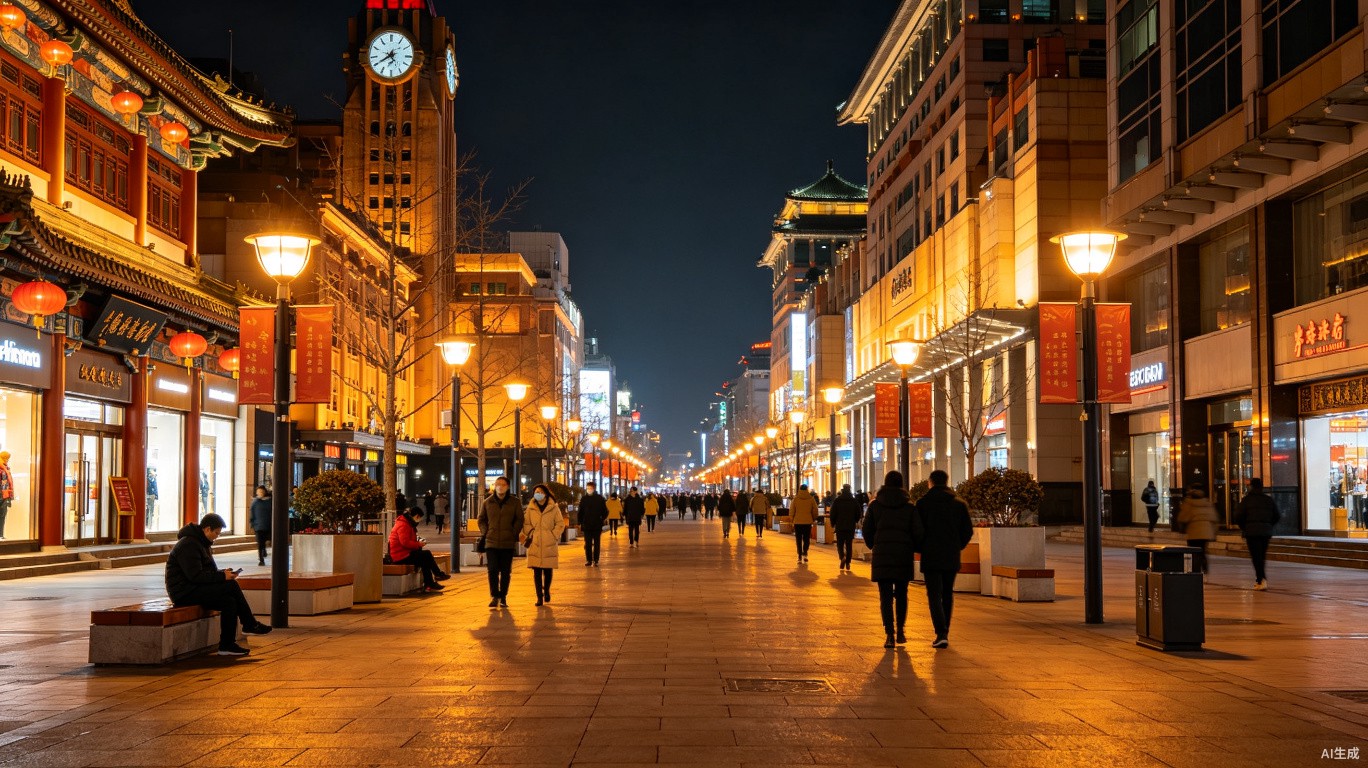
Let me give you the short answer first: yes, China is one of the safest countries I have ever traveled in, and I have been to over 40 countries. After living in Chengdu for more than a decade, I walk home at 2 AM without a second thought – something I would never do in many Western cities.
But “safe” does not mean “nothing can go wrong.” There are specific scams, health risks, and cultural landmines that catch foreigners off guard. This guide covers the real risks (not the fear-mongering) and the practical steps to handle them.
The Numbers: How Safe Is China, Really?
Here is what the data actually says:
- Violent crime rate: China’s homicide rate is 0.46 per 100,000 people (USA: 6.3, UK: 1.2, Germany: 0.8). You are statistically safer in China than in virtually any Western country.
- Petty crime: Pickpocketing exists in tourist areas but is far less common than in Paris, Barcelona, or Rome.
- Gun violence: Essentially nonexistent. Private gun ownership is banned.
- Police presence: Visible and plentiful. Chinese cities have extensive CCTV coverage, which acts as a major deterrent.
The biggest risks to tourists in China are not violent crime – they are scams, health issues, and cultural misunderstandings. Let me walk through each one.
Scams That Actually Exist (And How to Avoid Them)
Most “China scam” articles exaggerate wildly. In 10 years, I have encountered exactly three scams that are worth knowing about. Here they are, ranked by how likely you are to encounter them.
1. The Tea House Scam
How it works: A friendly English-speaking local (often a young woman or a “student practicing English”) approaches you in a tourist area and invites you to a traditional tea ceremony. At the end, you receive a bill for ¥2,000-5,000 ($275-690).
Where: Wangfujing (Beijing), Nanjing Road (Shanghai), Jinli Street (Chengdu), and around major tourist attractions.
How to avoid it: If a stranger invites you anywhere, politely decline. A real tea experience costs ¥50-150 at a legitimate teahouse. If the bill seems unreasonable, refuse to pay and threaten to call the police (110) – they will almost always back down.
2. The “Art Student” Painting Scam
How it works: Someone approaches you claiming to be an art student and invites you to their “exhibition” in a nearby building. Once inside, you are pressured into buying overpriced mediocre paintings.
Where: Same tourist areas as the tea scam.
How to avoid it: Same approach – do not follow strangers to secondary locations, no matter how friendly they seem.
3. The Fake Taxi / Overcharging Taxi
How it works: Unlicensed drivers at airports or train stations approach you offering a ride. They charge 3-5x the normal fare, or claim the meter is broken.
Where: Outside airport arrivals halls, major train stations.
How to avoid it: Use Didi or the official taxi queue. If you do take a street taxi, insist on the meter. Take a photo of the license plate before getting in. Typical airport-to-city-center fares: ¥80-150 ($11-21).
What About Other “Scams”?
You may read about currency switching, baby milk powder scams, or other elaborate schemes. In a decade of living here, I have never encountered these, and neither has any expat I know. Focus on the three above and you will be fine.
Health and Food Safety
Drinking Water
Do not drink tap water in China. This is non-negotiable. Always drink bottled water (¥2-5 per bottle at convenience stores). Most hotels provide free bottled water in rooms. Boiling tap water is also safe if you have a kettle.
Ice in drinks: In major cities and established restaurants, ice is made from filtered water and is generally safe. In rural areas or street stalls, ask for drinks without ice (“bu yao bing”).
Street Food Safety
Chinese street food is one of the great joys of traveling here, and I eat it regularly. Here is how to do it safely:
- Choose stalls with high turnover. If locals are queuing, the food is fresh. Empty stalls mean food has been sitting around.
- Watch the cooking. Food cooked at high heat (wok-fired noodles, skewers from a grill) is generally safe. Avoid raw or lightly cooked items at street stalls.
- Peel fruit. Buy whole fruits from markets and peel them yourself. Pre-cut fruit sitting in the open is risky.
- Trust your stomach. If something looks or smells off, skip it. There is always another stall nearby.
I have gotten food sick exactly once in 10 years, and it was from a hotel buffet, not street food. The bacterial adaptation most travelers experience in the first week is normal – it usually passes in 2-3 days.
Medical Care
If you need medical attention in China:
- Private hospitals ( Parkway, United Family, Jiahui ) have English-speaking staff and accept international insurance. Expect to pay ¥500-1,500 ($69-207) for a basic consultation.
- Public hospitals are cheap (a consultation costs ¥20-50) but crowded, and English is limited. Bring a translation app.
- Pharmacies are everywhere and most medications are available without a prescription. Staff usually speak basic English in major cities.
- Have travel insurance. I learned this the hard way – a bike accident in Chengdu cost me ¥3,000 ($414) out of pocket. Now I always carry SafetyWing coverage.
Air Quality
Air pollution in Chinese cities has improved dramatically over the past decade, but it can still be an issue. Check the AQI (Air Quality Index) on your weather app – anything under 100 is fine for outdoor activities. Above 150, consider wearing an N95 mask for extended outdoor time. Above 200, limit outdoor exercise.
Transport Safety
China’s transportation system is remarkably safe, with a few practical caveats:
High-Speed Trains
Trains are safe, clean, and reliable. The main risk is pickpocketing at crowded stations – keep your phone and wallet in a front pocket. I have never had anything stolen on a train, but I have seen it happen at Beijing South station during peak holiday travel. For more details on booking and riding trains, see our complete transportation guide.
Subways
Same as trains – safe, but crowded during rush hour. Keep bags zipped and in front of you. I have heard of phone-snatching at train doors (someone grabs your phone as the doors close and runs), though this is rare. Hold your phone securely when near the doors.
Taxis and Didi
- Use Didi whenever possible – the ride is tracked, the driver is verified, and payment is cashless
- In street taxis, insist on the meter and take a photo of the license plate
- If a driver seems to be taking a long route, open Google Maps or Baidu Maps and show them the preferred route. Most will correct course immediately
Cultural and Legal Pitfalls
Things That Can Get You in Trouble
China has strict laws in certain areas that may surprise foreign visitors:
- Drugs: Zero tolerance. Possession of even small amounts of marijuana can result in deportation or imprisonment. Do not bring any controlled substances.
- Photography restrictions: Military installations, government buildings, and some border areas are off-limits for photography. If you see a “no photography” sign, respect it.
- Political demonstrations: Avoid all political gatherings and do not participate in any protests. This is not a suggestion.
- GPS mapping near borders: Some areas (especially near Tibet, Xinjiang, and the North Korean border) have mapping restrictions. Offline maps may not work accurately in these regions.
Cultural Etiquette That Matters
You will not get arrested for cultural mistakes, but respecting local norms makes a huge difference in how you are treated:
- Temples and religious sites: Dress modestly (cover shoulders and knees). Do not touch religious statues or artifacts. Some temples require you to remove your shoes before entering – look for shoes at the entrance as a cue.
- Dining: Do not stick your chopsticks upright in a bowl of rice (it resembles incense at a funeral). Do not tap your bowl with chopsticks (it is associated with beggars). Let older people at the table eat first.
- Tipping: Tipping is not expected and can sometimes cause confusion. In high-end hotels and restaurants that cater to foreigners, a service charge is usually already included.
- Personal space: Chinese cities are crowded, and people stand closer than you may be used to. This is normal, not aggressive.
Emergency Contacts and Preparation
Save these numbers in your phone before you arrive:
| Service | Number | Notes |
|---|---|---|
| Police | 110 | Free call, some operators speak basic English |
| Ambulance | 120 | Response time varies by city |
| Fire | 119 | Free call |
| Your embassy in Beijing | Varies | Look up and save before your trip |
What to Keep With You
- Passport (required for hotels, trains, and some security checks)
- A photo of your passport stored on your phone and in cloud storage
- Emergency contact card with your hotel address in Chinese, embassy number, and any medical conditions
- Travel insurance details – carry a digital and physical copy of your policy
If You Lose Your Passport
This happens more often than you would think. If it happens to you:
- File a police report at the nearest police station (get a receipt – you will need it)
- Contact your embassy in Beijing for an emergency travel document
- Apply for a new passport at your embassy – this usually takes 1-2 weeks
- Extend your visa if needed – the emergency document is only valid for direct travel home
Solo Female Travel
China is one of the best countries in the world for solo female travelers. I have female friends who have traveled extensively across China alone, and their consensus is clear: it feels safer than most Western cities.
That said, the standard precautions apply:
- Avoid walking alone in poorly lit areas late at night (not because of violent crime – more because of uneven pavement and dark alleys)
- Use Didi instead of walking home late
- Trust your instincts – if a situation feels off, remove yourself
The Bottom Line
China in 2026 is a country where you can walk home at midnight, leave your laptop on a cafe table, and ride the subway without clutching your bag. The violent crime rate is a fraction of what you experience in most Western countries.
The real risks are mundane: scams targeting tourists in popular areas, food-related stomach issues in your first few days, and the occasional cultural misunderstanding. All of these are easily managed with the information in this guide.
Do not let fear-mongering blog posts or outdated stereotypes keep you from experiencing one of the most fascinating countries on earth. Come prepared, stay aware, and you will have an incredible – and safe – trip.
If you found this guide helpful, check out our other practical resources: China Transportation Guide 2026, WeChat Pay Setup for Foreigners, and Best Travel Insurance for China.